
The Best Fluffy Pancakes recipe you will fall in love with. Full of tips and tricks to help you make the best pancakes.

Vegan Pesto Pasta Salad for Lunch

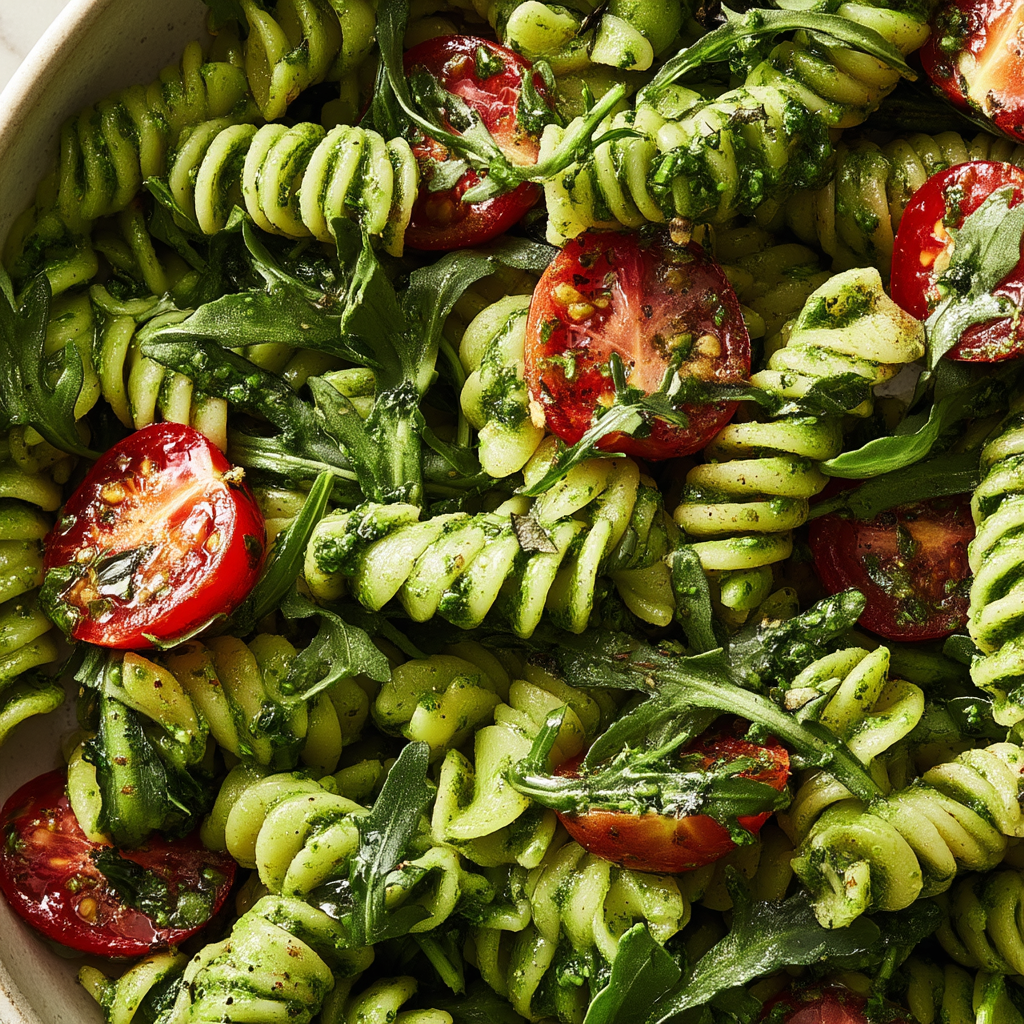
This vegan pesto pasta salad is a practical, vegetable-forward lunch option that relies on a vibrant, dairy-free pesto and textured twirly pasta.
By combining fusilli with a homemade blend of fresh basil, briny capers, and toasted nuts, you create a satisfying meal that holds up well for several hours or even a couple of days in the refrigerator.
This recipe yields four servings and takes approximately 35 minutes from start to finish, making it a manageable addition to a weekly meal prep routine.

What You’ll Need
The success of a dairy-free pesto relies on the balance between fats, acids, and salt. In this recipe, the nuts provide the necessary body that is traditionally offered by cheese, while capers introduce a sharp, briny note that cuts through the richness of the olive oil. Using a twirly pasta shape is a functional choice, as the grooves are designed to trap the pesto, ensuring the dressing stays on the pasta rather than pooling at the bottom of the bowl.
- Salt: Essential for both the pasta water and seasoning the raw tomatoes.
- 1 pound fusilli or other twirly noodle: The shape helps the pesto adhere to each piece.
- 1 pint cherry tomatoes: These are halved to release their juices.
- 1/2 cup raw pistachios, slivered almonds, or pine nuts: These provide the base texture for the pesto.
- 1/3 cup rinsed capers: These add a salty, complex depth to the sauce.
- 1 large garlic clove: Peeled and ready for the food processor.
- 2 packed cups basil leaves: Plus a few extra for a fresh garnish at the end.
- Black pepper: For a light, earthy heat.
- 2 tablespoons lemon juice: The acidity helps brighten the heavy oils.
- 1/3 cup extra-virgin olive oil: Use a high-quality oil for the best mouthfeel.
- 2 big handfuls arugula: Added at the very end to prevent wilting.
How to Make It
The assembly process is straightforward, focusing on cooling the pasta efficiently and building the pesto while the noodles cook. The goal is to keep the components fresh and the textures distinct.
- Bring a large pot of salted water to a boil over high heat.
- Once the water is at a rolling boil, add the fusilli.
- Cook the pasta until it is tender, following the timing on the package.
- Drain the pasta thoroughly in a colander.
- Immediately rinse the pasta under cold running water until the noodles are cool to the touch.
- Shake the colander vigorously to remove as much water as possible; the pasta must be dry.
- While the pasta cooks, place the halved cherry tomatoes in a large mixing bowl with a big pinch of salt. Stir and set aside to macerate.
- To make the pesto, place your chosen nuts, rinsed capers, and the garlic clove into a food processor.
- Pulse the mixture until everything is coarsely chopped.
- Add the 2 cups of basil leaves along with a pinch of salt and pepper.
- Pulse again until the basil is finely chopped and integrated.
- Pour in the lemon juice and pulse briefly.
- With the motor running, gradually drizzle in the olive oil through the feed tube until the pesto is well blended.
- Scrape down the sides of the bowl with a spatula to ensure no large pieces remain.
- Scrape the finished pesto into the large bowl containing the salted tomatoes.
- Add the dried pasta to the bowl and stir until the fusilli pasta is completely and evenly coated in pesto.
- Let the salad sit for about 5 minutes to cool slightly.
- Fold in the arugula and a few torn basil leaves.
- Taste and add an extra pinch of salt if needed.
- Serve immediately, or let the salad sit at room temperature for up to 2 hours.
Shake the Pasta Dry
One of the most critical steps for a successful cold pasta salad is how you handle the noodles after boiling. Once the pasta is cooked until tender, it is rinsed under cold water. Rinsing stops the cooking process instantly, preventing the noodles from becoming mushy, and removes excess starch that can cause the pasta to clump together as it sits.
However, the rinsing process introduces moisture that can dilute your pesto. It is vital to shake the pasta dry after rinsing. Any water clinging to the twirly noodle will create a barrier that prevents the olive oil-based pesto from adhering properly. By ensuring the pasta is as dry as possible, the pesto can settle into the spirals of the fusilli, resulting in a well-coated and flavorful dish rather than one that is watery or slick.
Salt the Tomatoes First
Efficiency in the kitchen often comes down to timing. In this recipe, the cherry tomatoes are halved and salted in a large bowl while the pesto is being prepared. This is a deliberate technique known as macerating. The salt draws out a small amount of moisture from the tomatoes, creating a light, seasoned juice at the bottom of the bowl.
When you eventually scrape the dairy-free pesto into the tomato bowl, those juices help thin the pesto slightly without the need for extra oil. This ensures that when the pasta is added, the sauce moves more freely and coats every surface. Because the tomatoes have already been seasoned, they contribute a more concentrated flavor to the overall salad than if they were added at the very end.
Keep the Pesto Dairy-Free
Traditional pesto often relies on parmesan cheese for both salt and thickness. To keep this version vegan, we use a combination of nuts and capers. Whether you choose pistachios, slivered almonds, or pine nuts, these ingredients provide the necessary fat and protein structure. The capers are the secret to this version, offering the sharp, salty punch that you would usually get from aged cheese.
The method of drizzling the olive oil while the processor is running is also important. This creates a light emulsion, resulting in a creamy texture that feels substantial. By focusing on basil leaves and lemon juice, the flavor remains bright and clean. This approach keeps the recipe strictly vegan and avoids the need for processed cheese alternatives or nutritional yeast, relying instead on whole-food ingredients.
Freshness Notes
Handling and storage are key for a vegan pesto pasta salad. Because this dish contains fresh arugula, timing the addition of the greens is important. The arugula should only be stirred in after the pasta has had about 5 minutes to cool. If the pasta is too hot, the greens will wilt and lose their peppery bite.
If you are serving this for a gathering, it can sit safely at room temperature for up to 2 hours. For meal prep, it can be stored in the refrigerator for up to 2 days. Pesto is a fresh sauce that can oxidize or be absorbed by the pasta over time. If you find the salad looks a little dry on the second day, simply refresh it with a small squeeze of extra lemon juice, a drizzle of olive oil, and a tiny pinch of salt to wake up the flavors before eating.
Frequently Asked Questions
Is this pesto pasta salad vegan?
Yes, this recipe is entirely vegan as written. It uses a dairy-free pesto base made from nuts and capers instead of parmesan or other animal products.
What nuts can I use for the pesto?
You can use raw pistachios, slivered almonds, or traditional pine nuts. Each will provide a slightly different flavor, but all provide the necessary fat and texture for the sauce.
Why rinse the pasta under cold water?
Rinsing the pasta stops it from overcooking and removes excess starch. This prevents the noodles from sticking together and ensures the salad stays light and chilled.
How long can vegan pesto pasta salad sit?
The salad can sit at room temperature for up to 2 hours. If you are keeping it longer, it should be refrigerated and consumed within 2 days.
How do I refresh it before serving?
If the pasta has absorbed the dressing in the fridge, add a quick splash of olive oil, a squeeze of lemon juice, and a pinch of salt to restore the texture and brightness.
Conclusion
This vegan pesto pasta salad is a straightforward and reliable meal prep option that emphasizes practical kitchen techniques. By using a twirly pasta like fusilli and focus on drying the noodles after rinsing, you ensure the dairy-free pesto coats perfectly. The combination of salted cherry tomatoes, fresh arugula, and a briny nut-based sauce provides a satisfying lunch that remains fresh for up to two days. Remember to refresh with a little oil and lemon juice if enjoying as leftovers to maintain the best quality.
Print
Vegan Pesto Pasta Salad
- Total Time: 35
- Yield: 4 servings
- Diet: Vegan
Description
A vibrant, dairy-free pasta salad with fresh basil pesto, briny capers, and crisp vegetables. Perfect for a refreshing lunch or meal prep, this vegan recipe uses fusilli pasta and olive oil-based pesto for a satisfying texture.
Ingredients
Salt
1 pound fusilli pasta
1 pint cherry tomatoes
1/2 cup raw pistachios, slivered almonds, or pine nuts
1/3 cup rinsed capers
1 large garlic clove
2 packed cups fresh basil leaves
Black pepper
2 tablespoons lemon juice
1/3 cup extra-virgin olive oil
2 big handfuls arugula
Instructions
Bring a large pot of salted water to a boil
Cook fusilli pasta according to package time, usually 8-10 minutes
While pasta cooks, toast nuts in a dry skillet until golden, about 5 minutes
In a food processor, combine garlic, basil leaves, capers, lemon juice, and black pepper
With the motor running, slowly pour in olive oil until a smooth pesto forms
Toss cooked pasta with pesto and let cool completely
Halve cherry tomatoes, season with salt, and mix into pasta
Fold in refrigerated arugula just before serving
Notes
Use shorter pasta shapes like penne or rotini if fusilli is unavailable
Store in an airtight container in the fridge for up to 3 days
Add a splash of water if pesto becomes too thick
For extra crispiness, add arugula just before eating
- Prep Time: 20
- Cook Time: 15
- Category: Lunch
- Method: Stir-frying/Blending
- Cuisine: Italian


